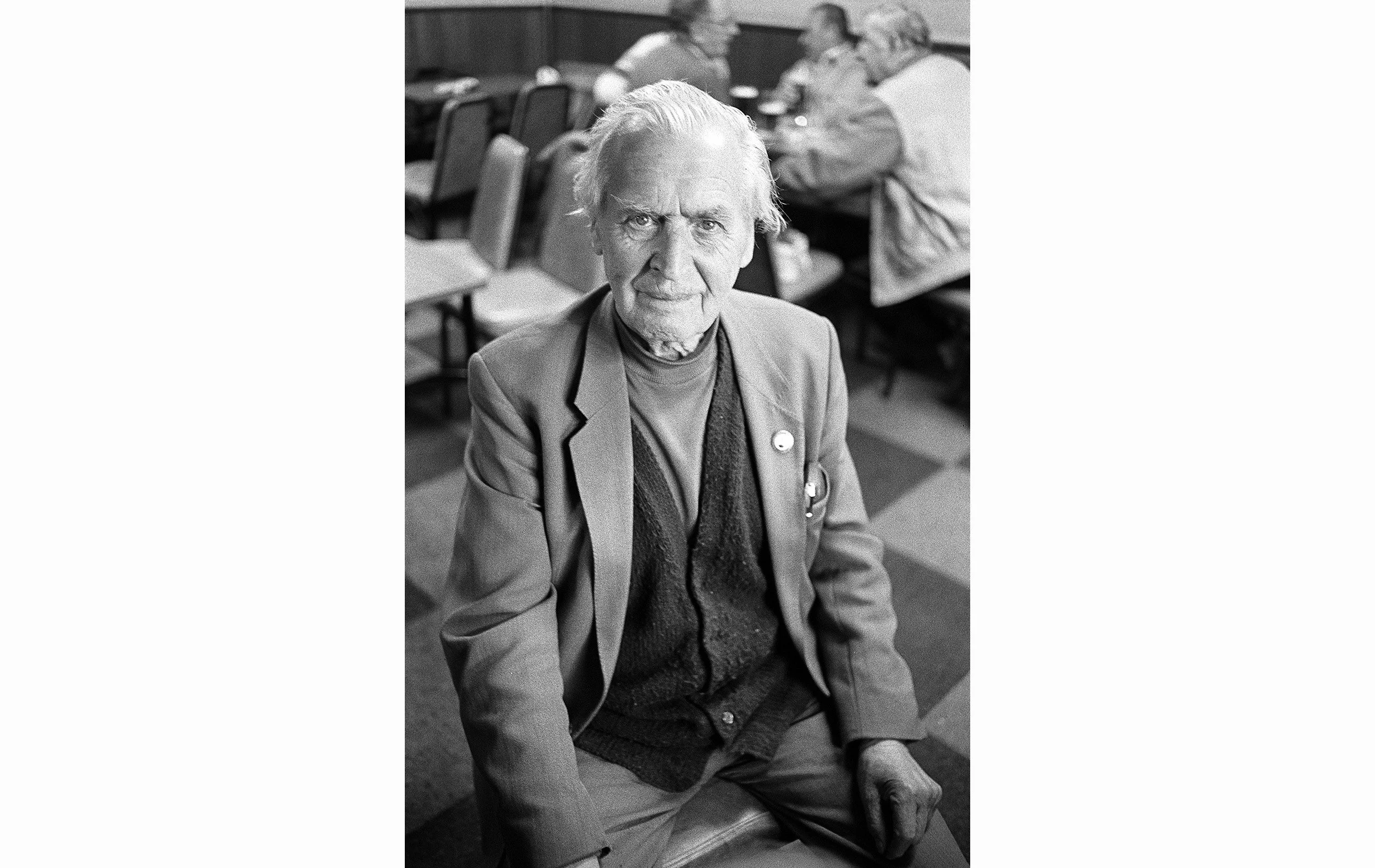
Hull Docklands
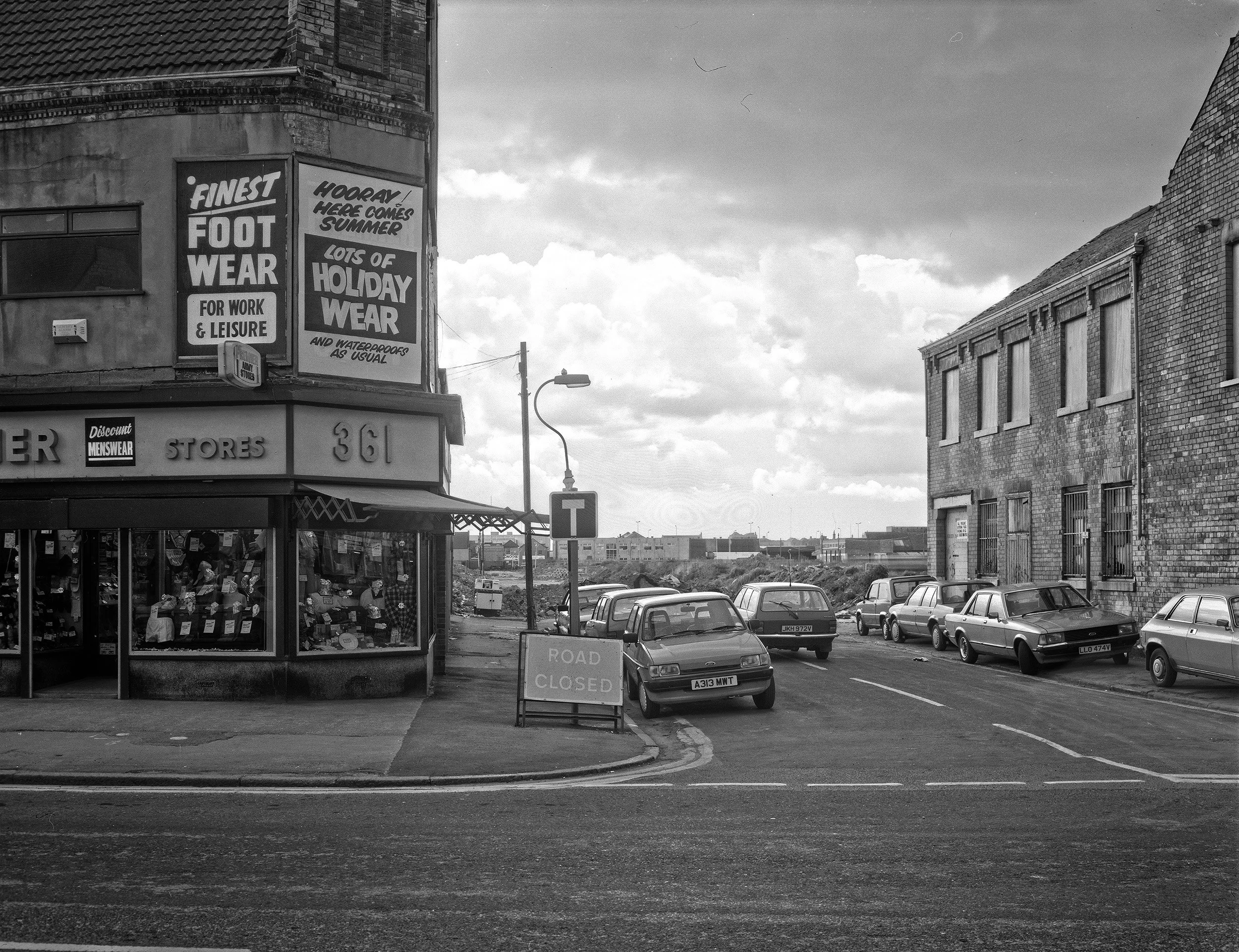
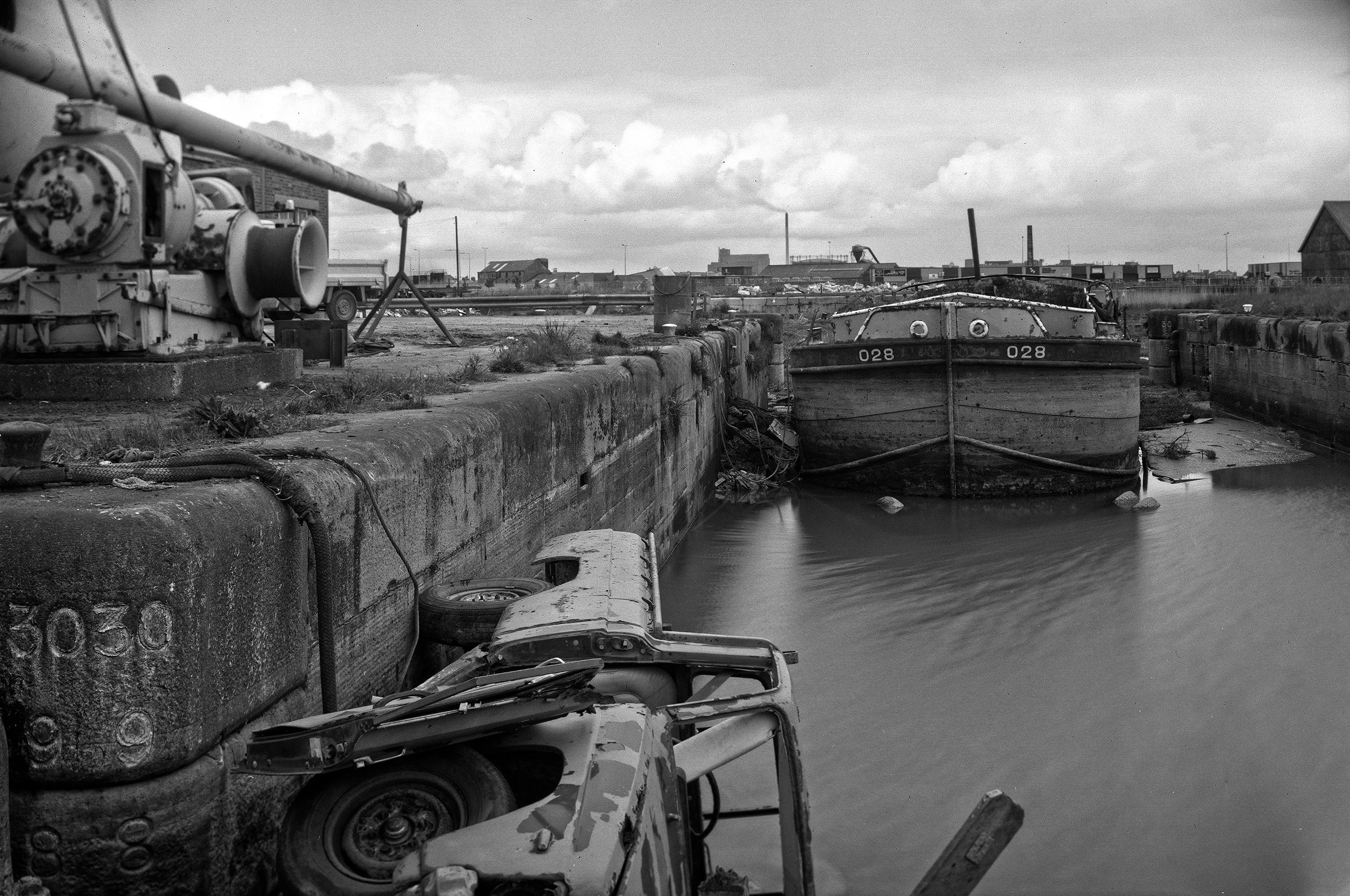
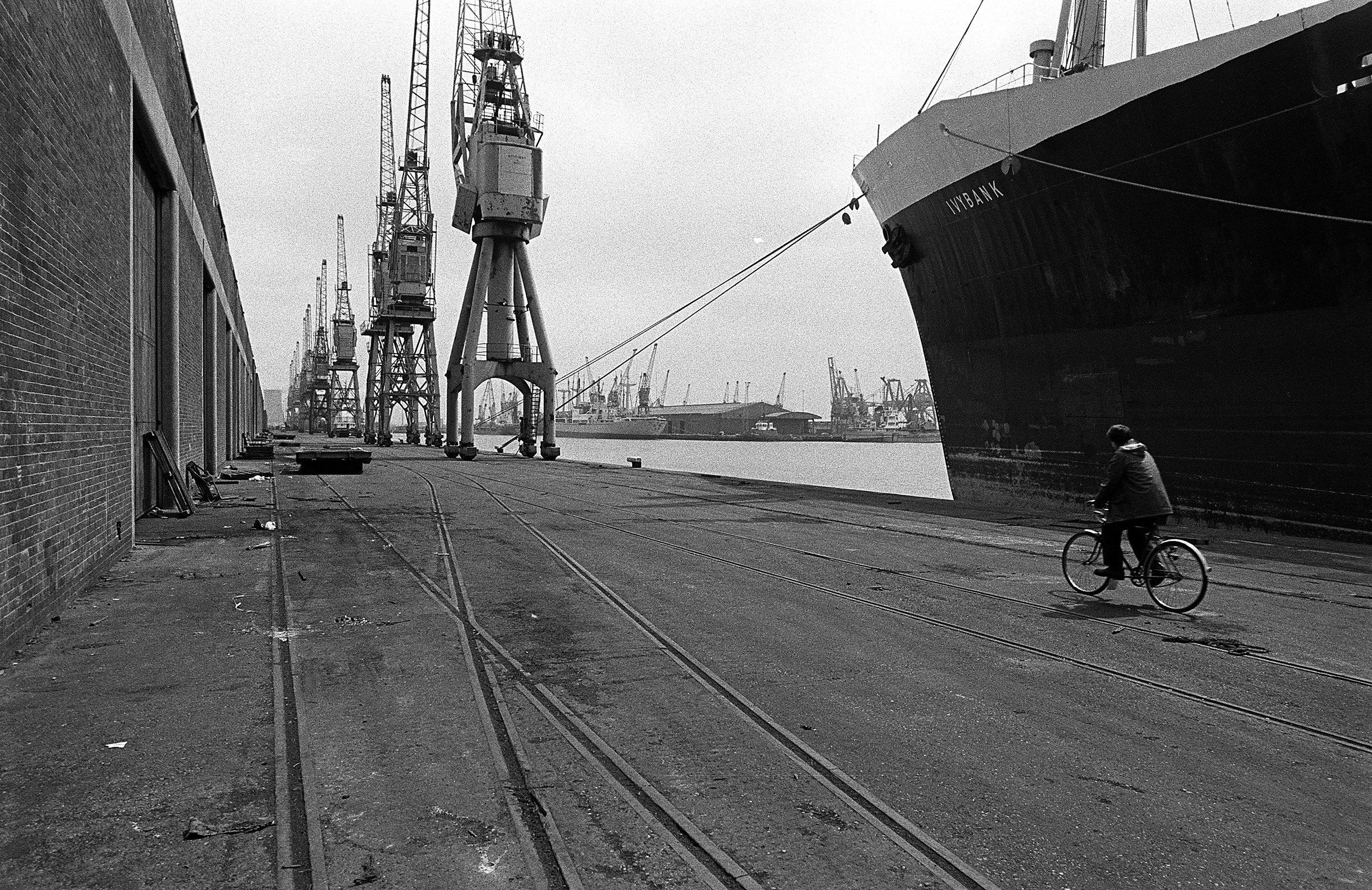
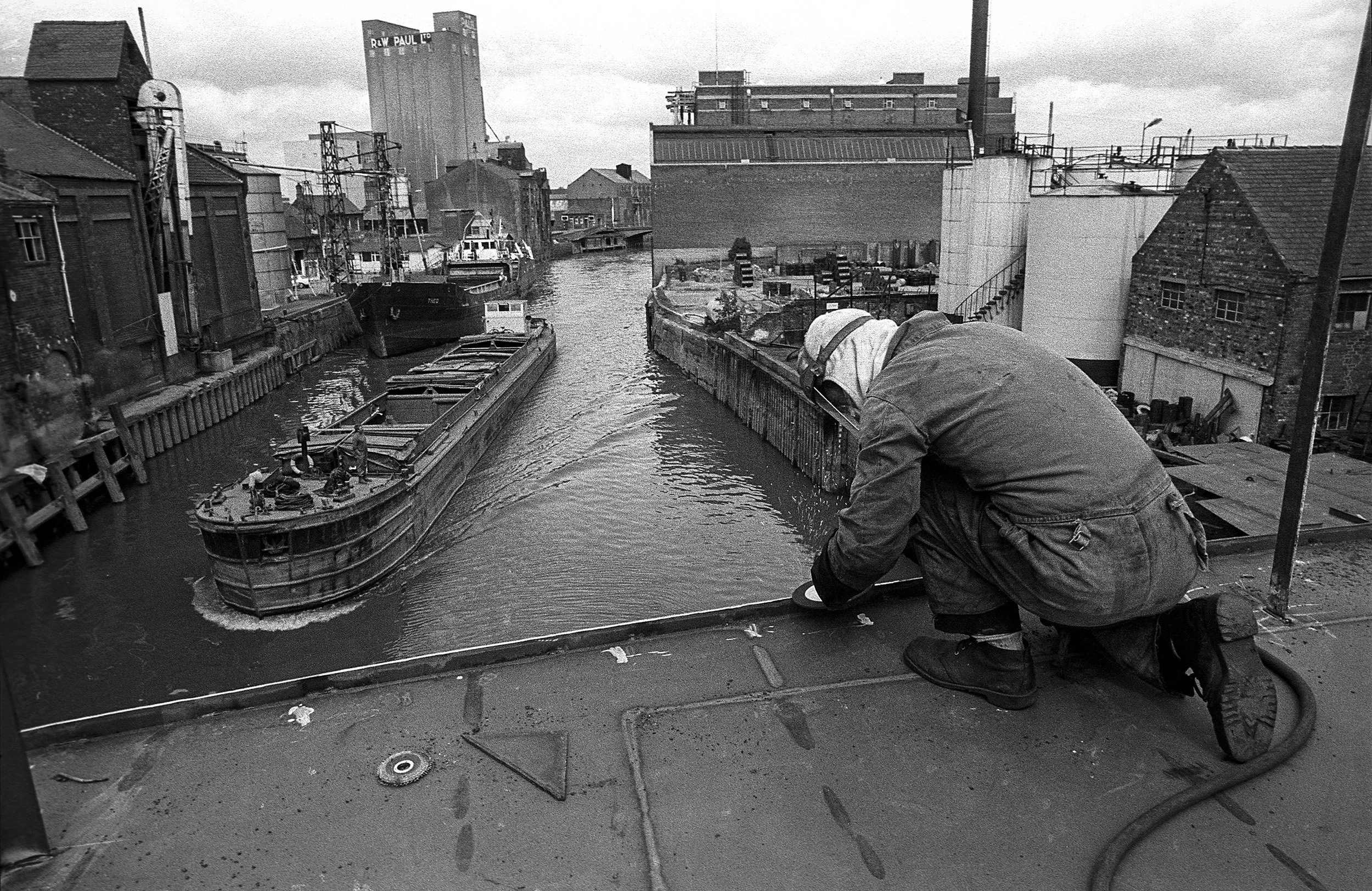
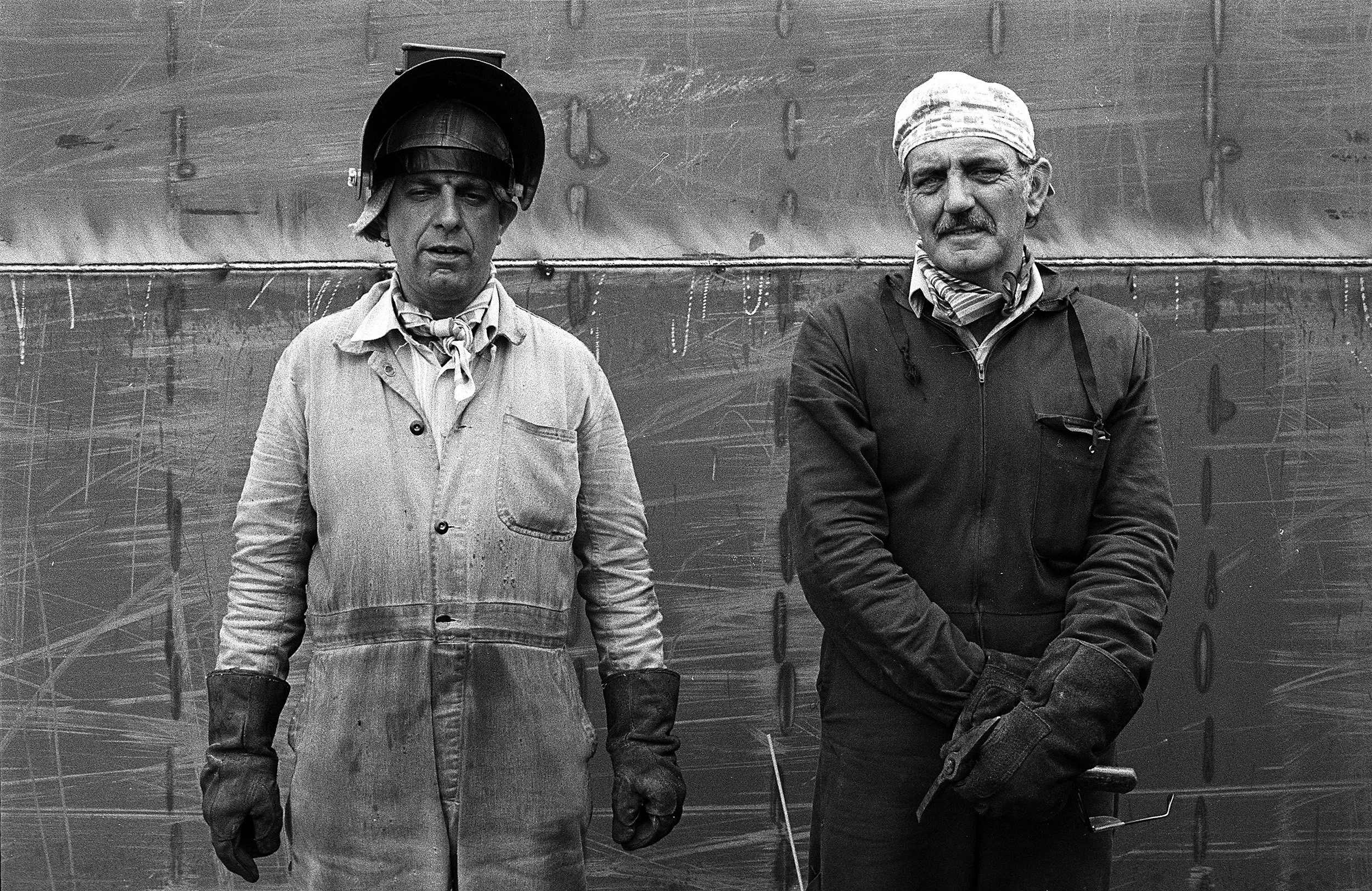
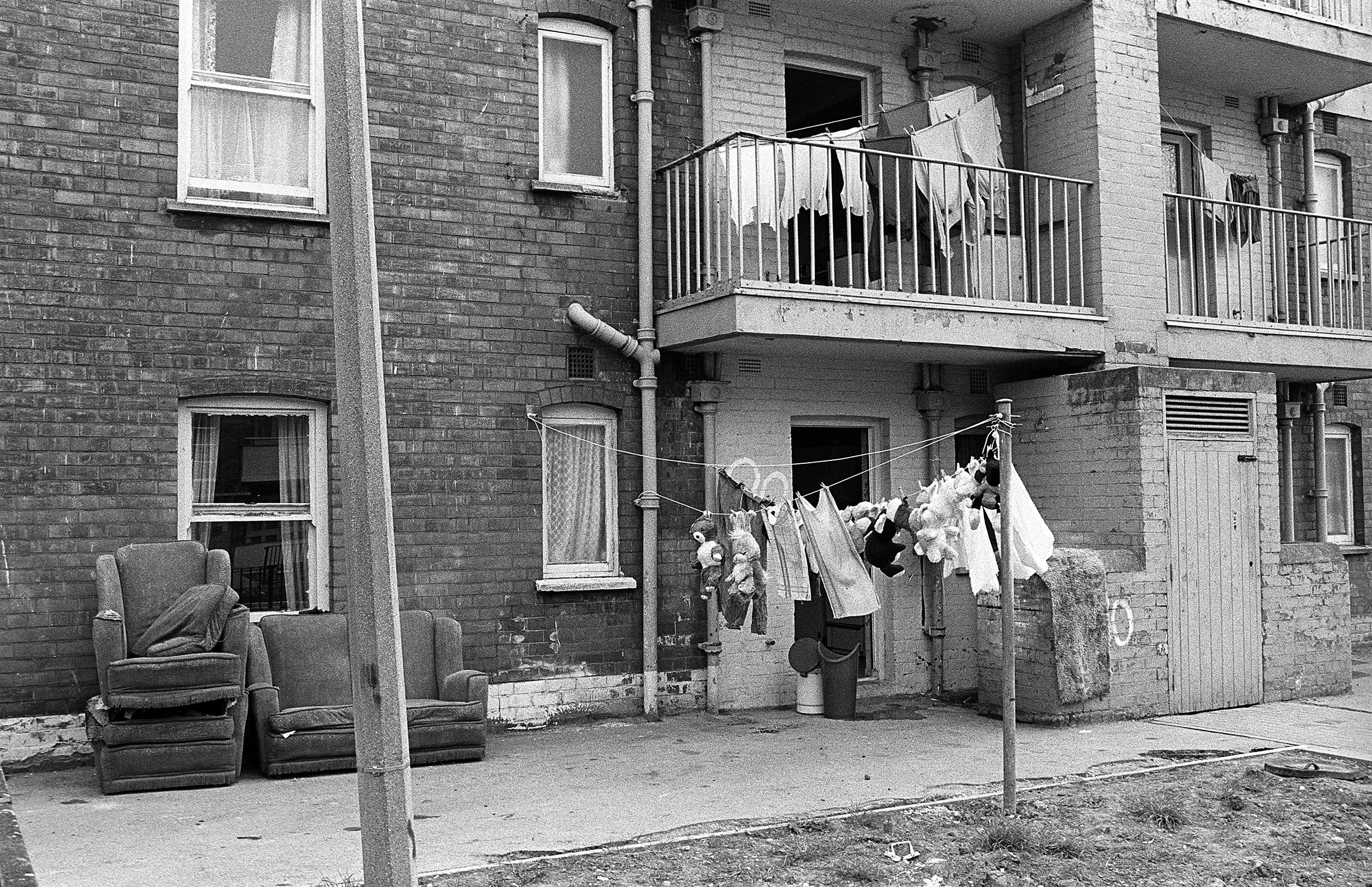
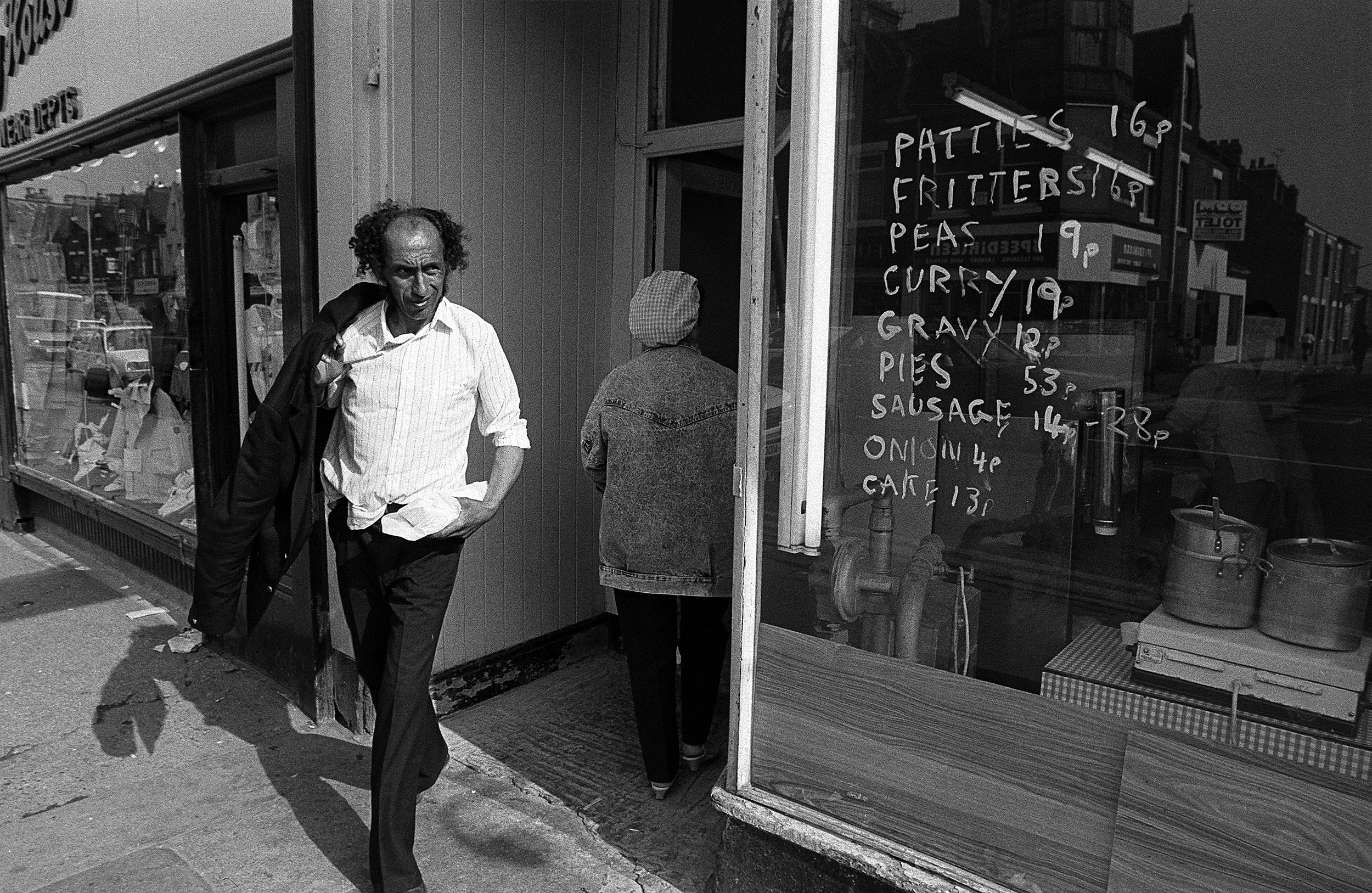
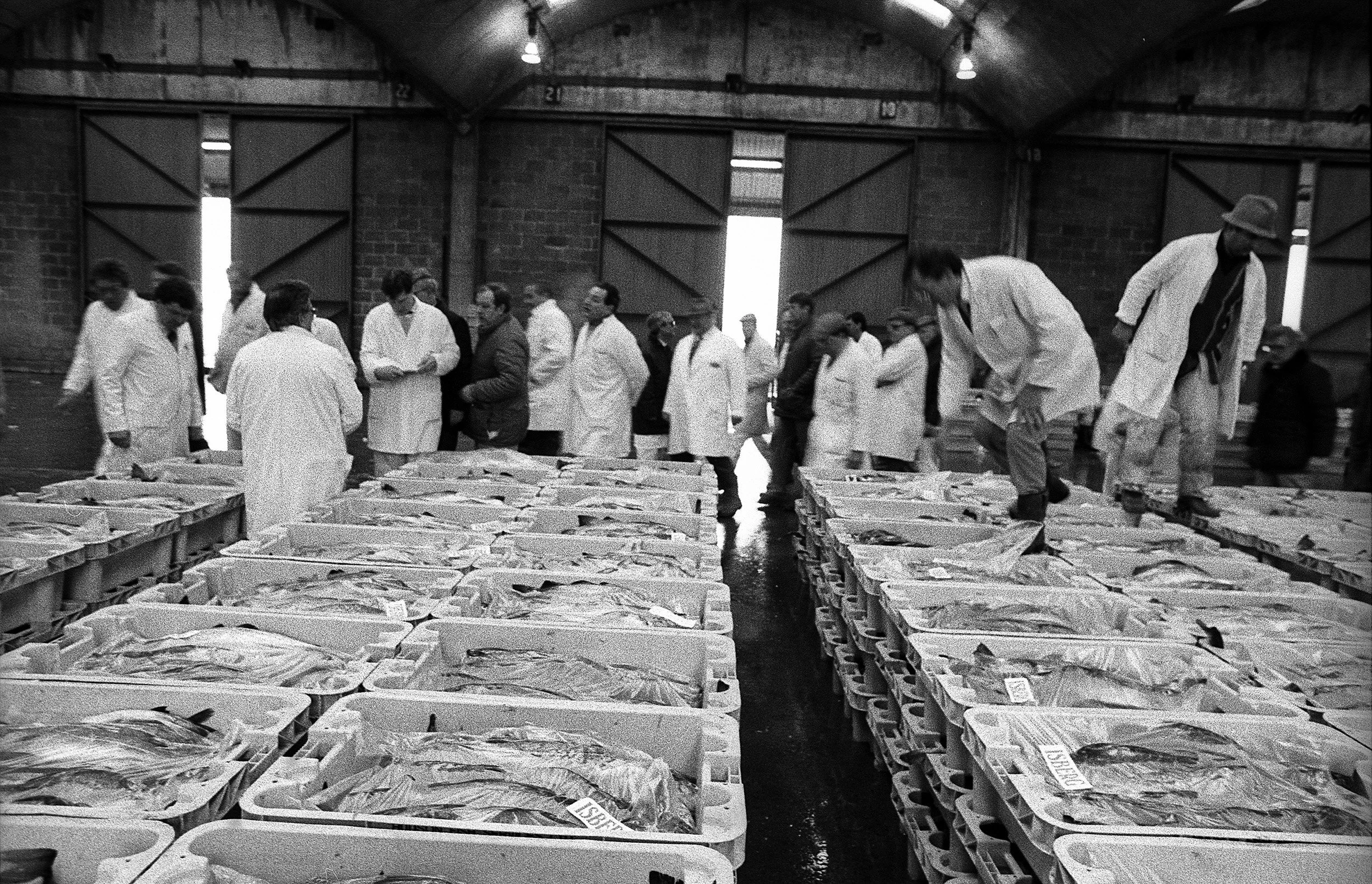
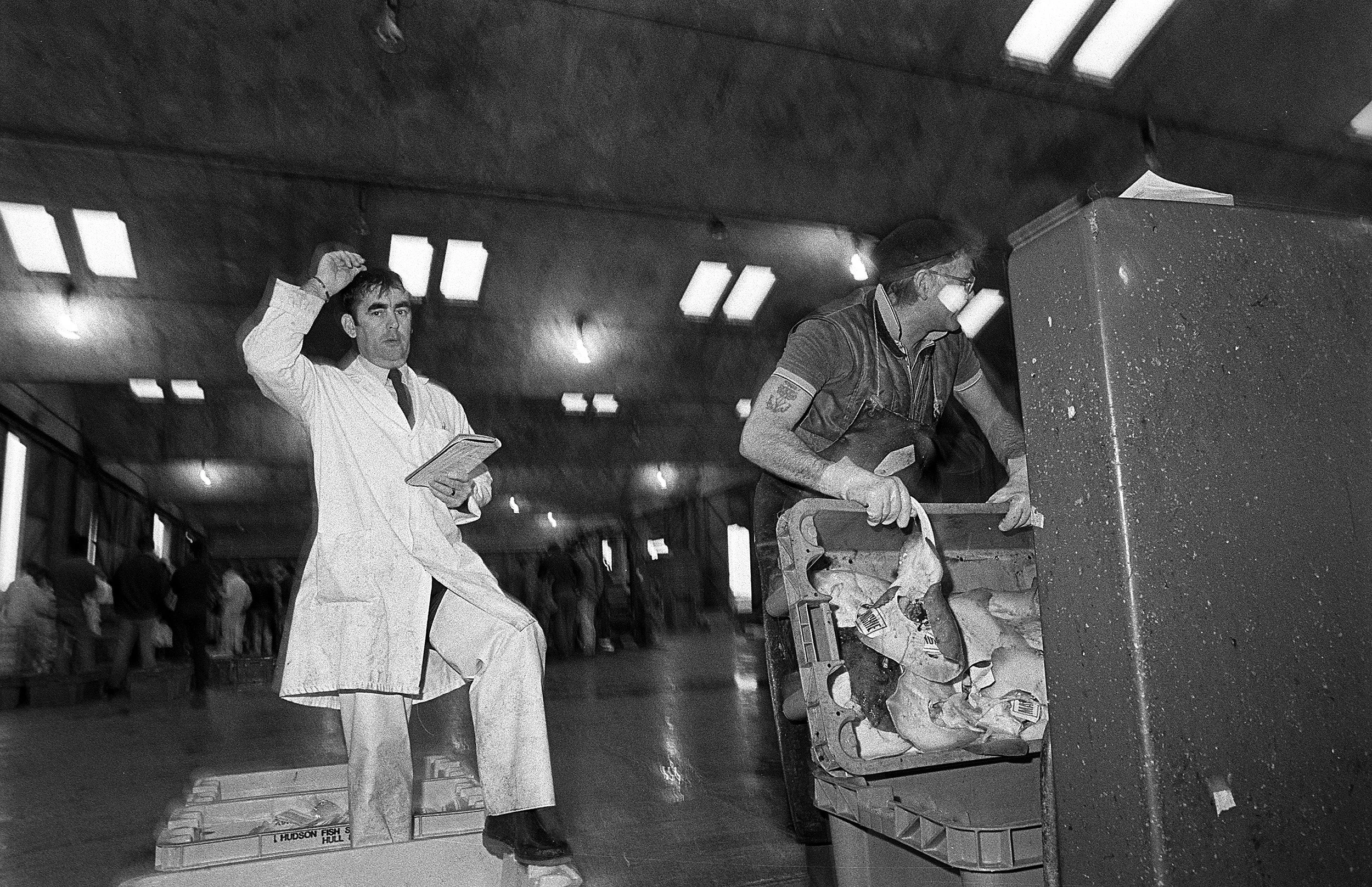
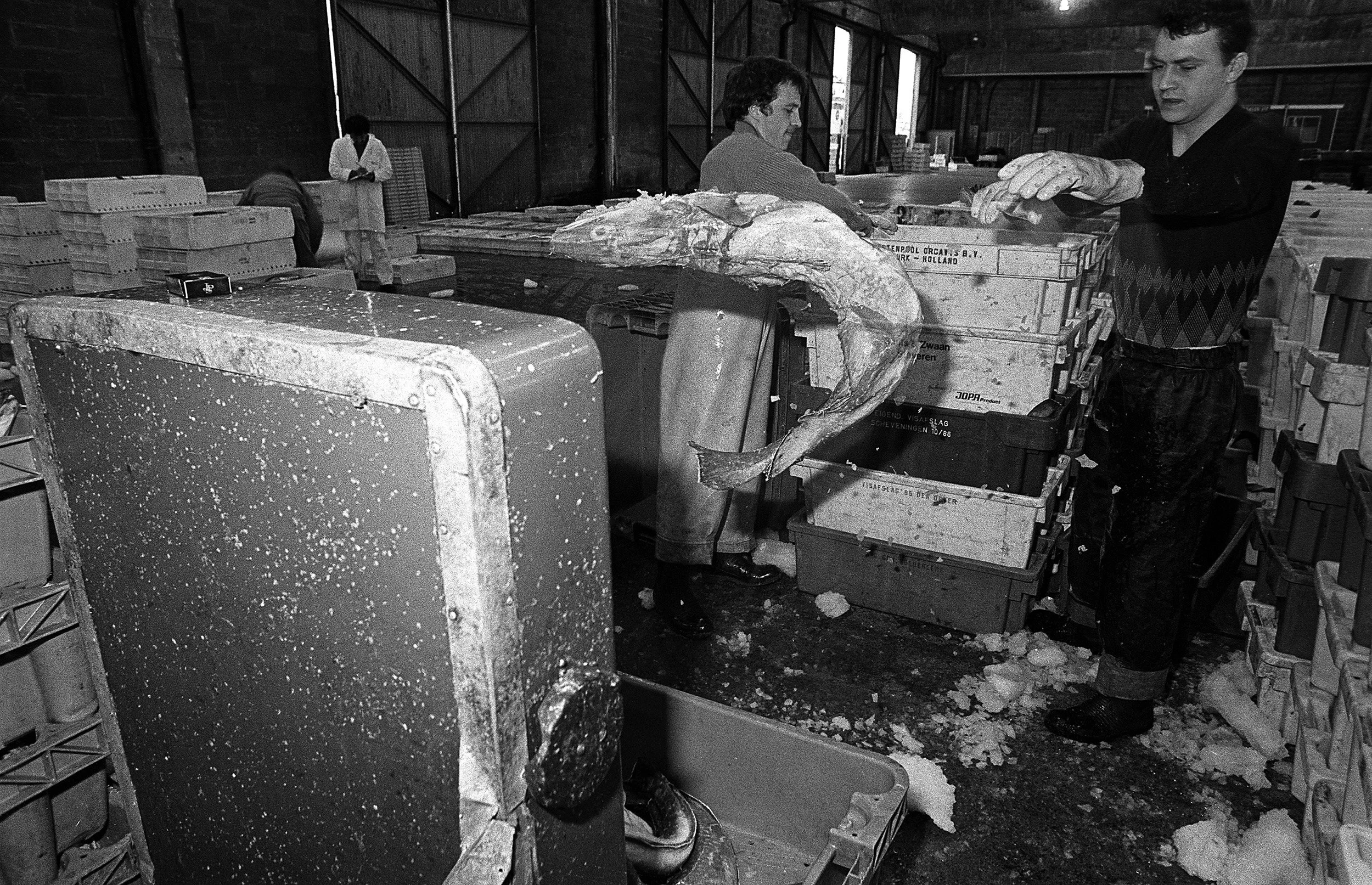
The story of decay repeated itself all along the North’s great rivers. On the Humber, the city of Hull had its own proud maritime history. Its economy, like Liverpool, depended on the water. For generations, families lived and worked by the docks, their livelihoods fixed to the ebb and flow of the tide. By the 1970s, Hull too was in trouble. The Cod Wars ended the great fishing industry almost overnight, while shipbuilding and engineering collapsed under the weight of global competition and political neglect. The same sense of loss that haunted Bootle could be felt there; the same hollowed-out streets and shuttered businesses.
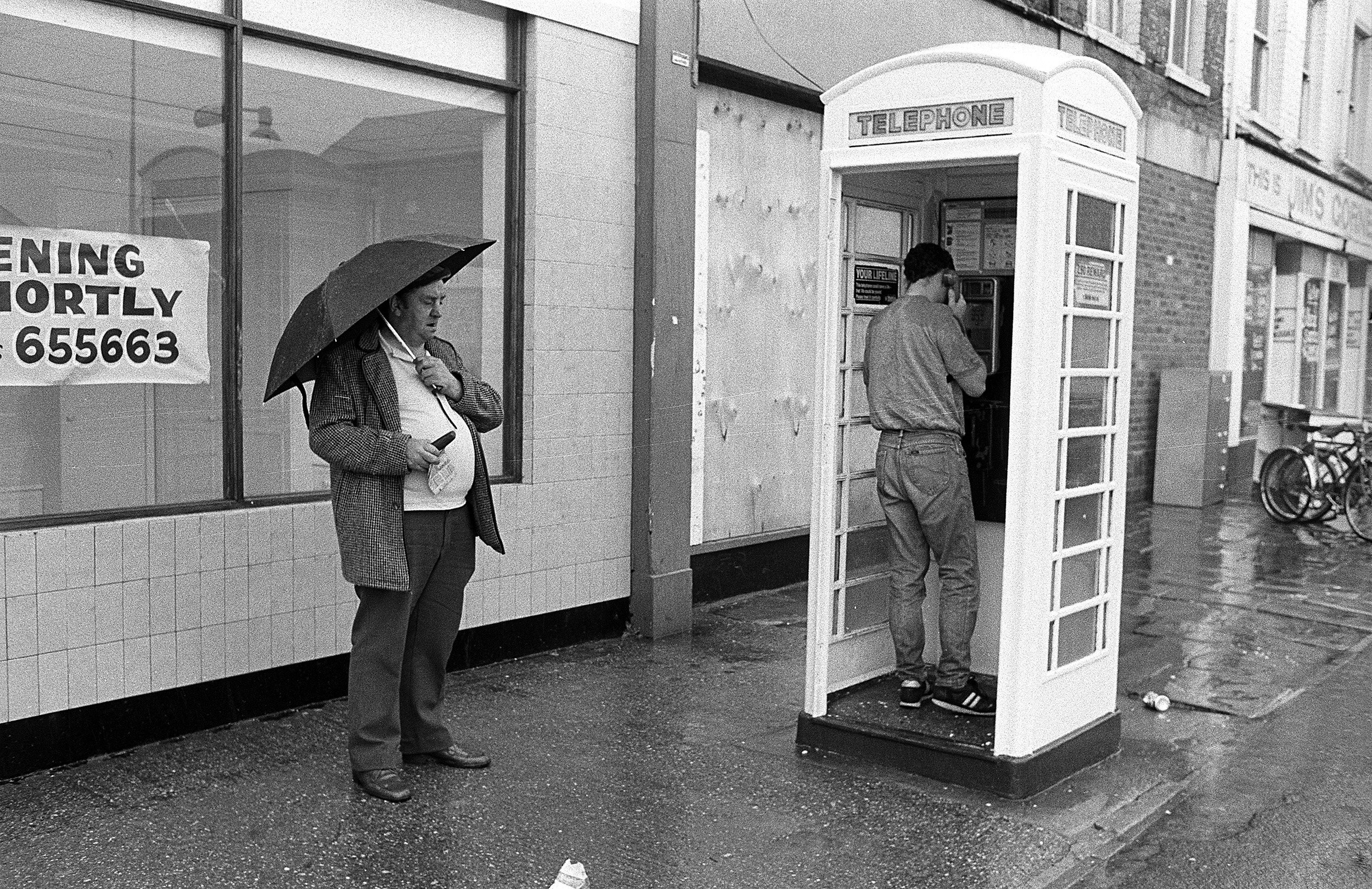
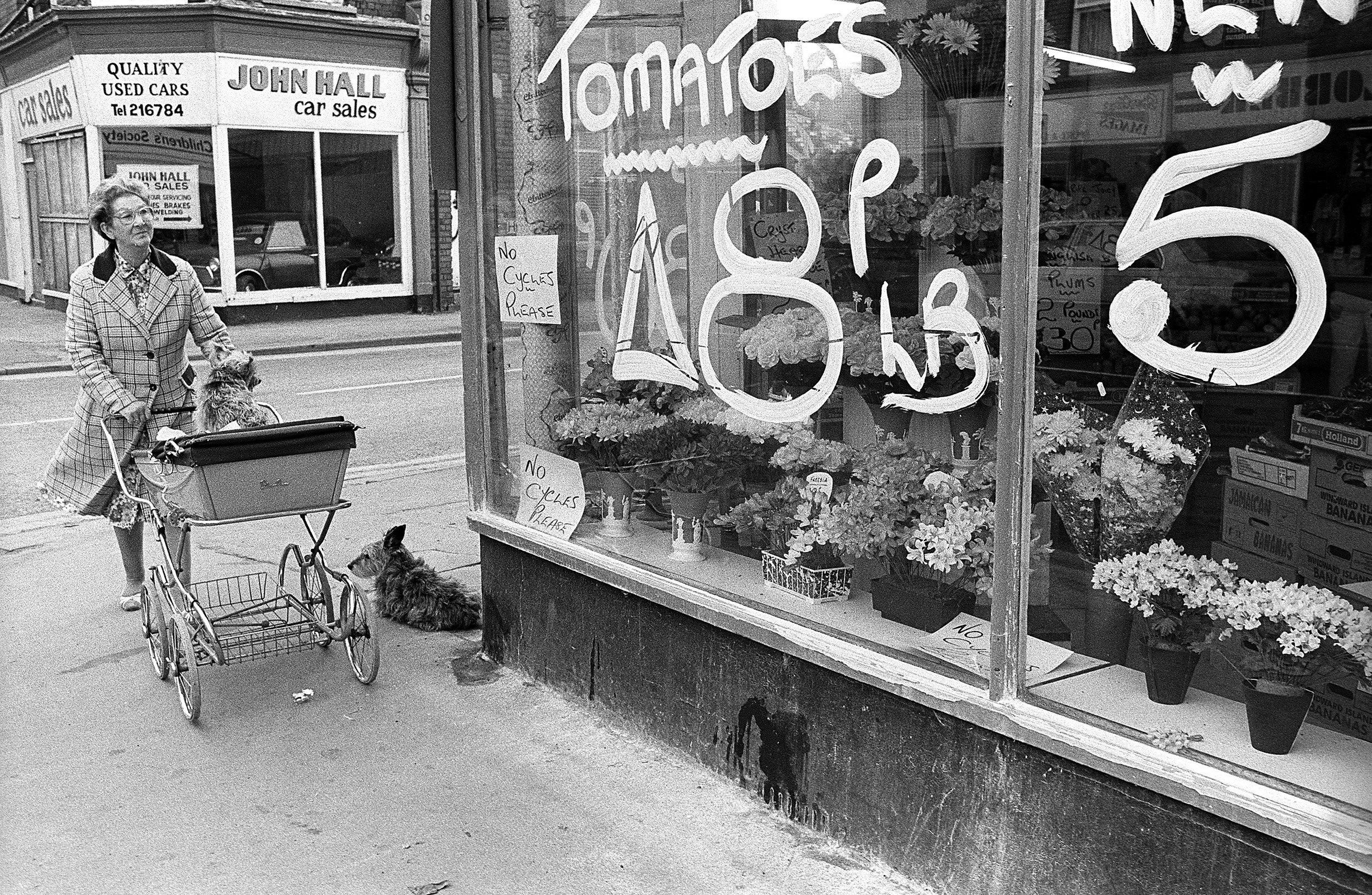
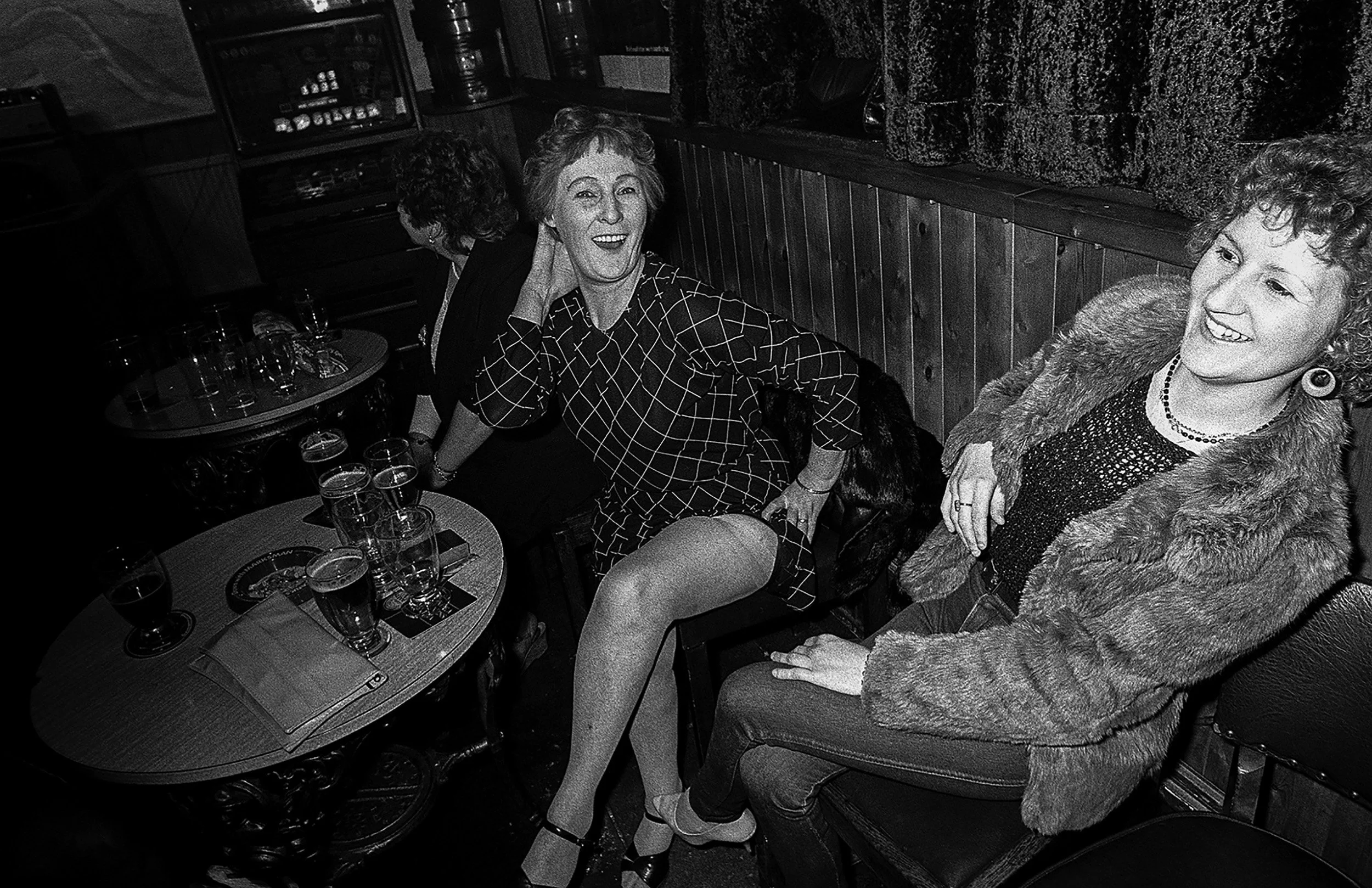
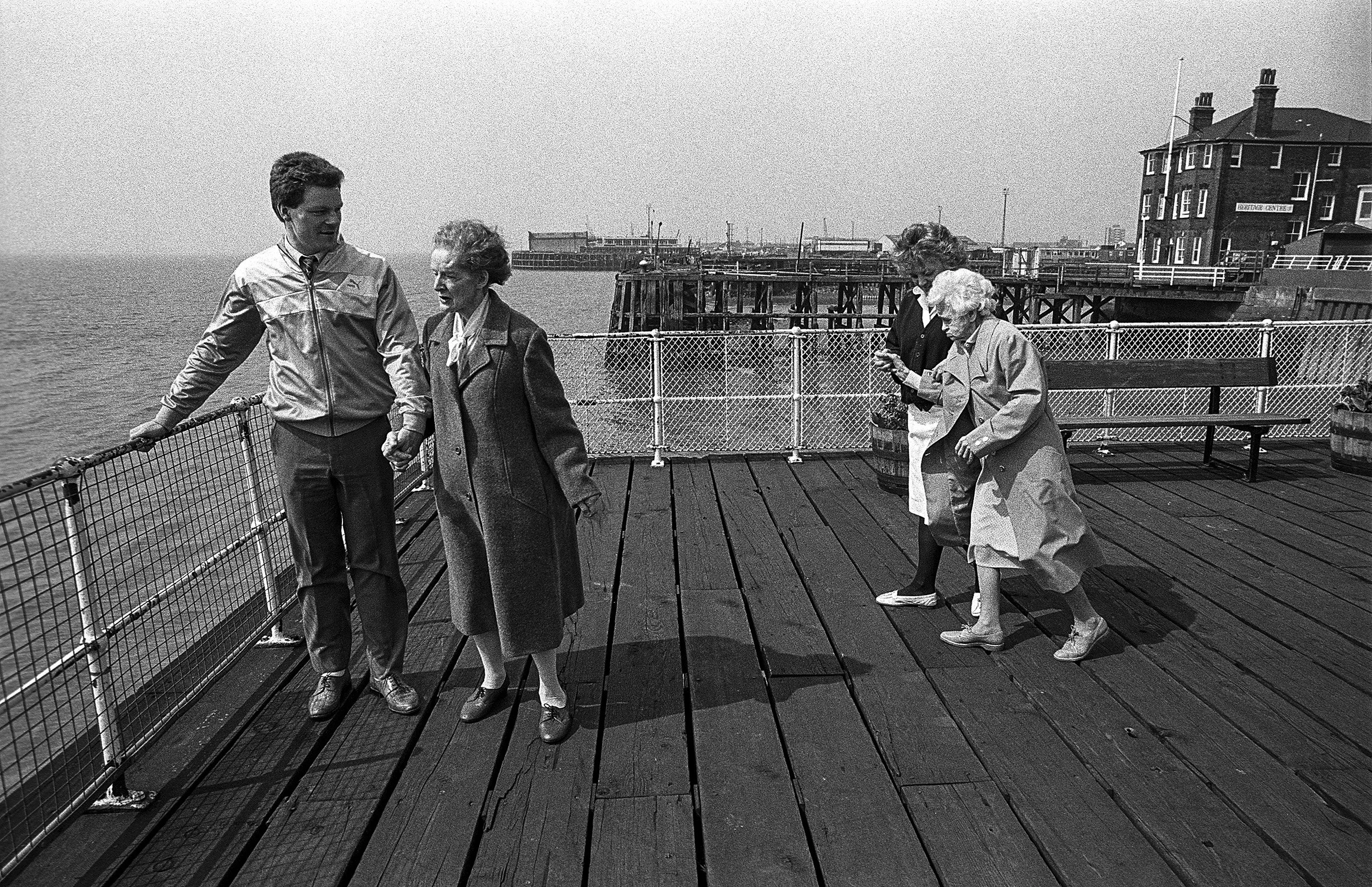
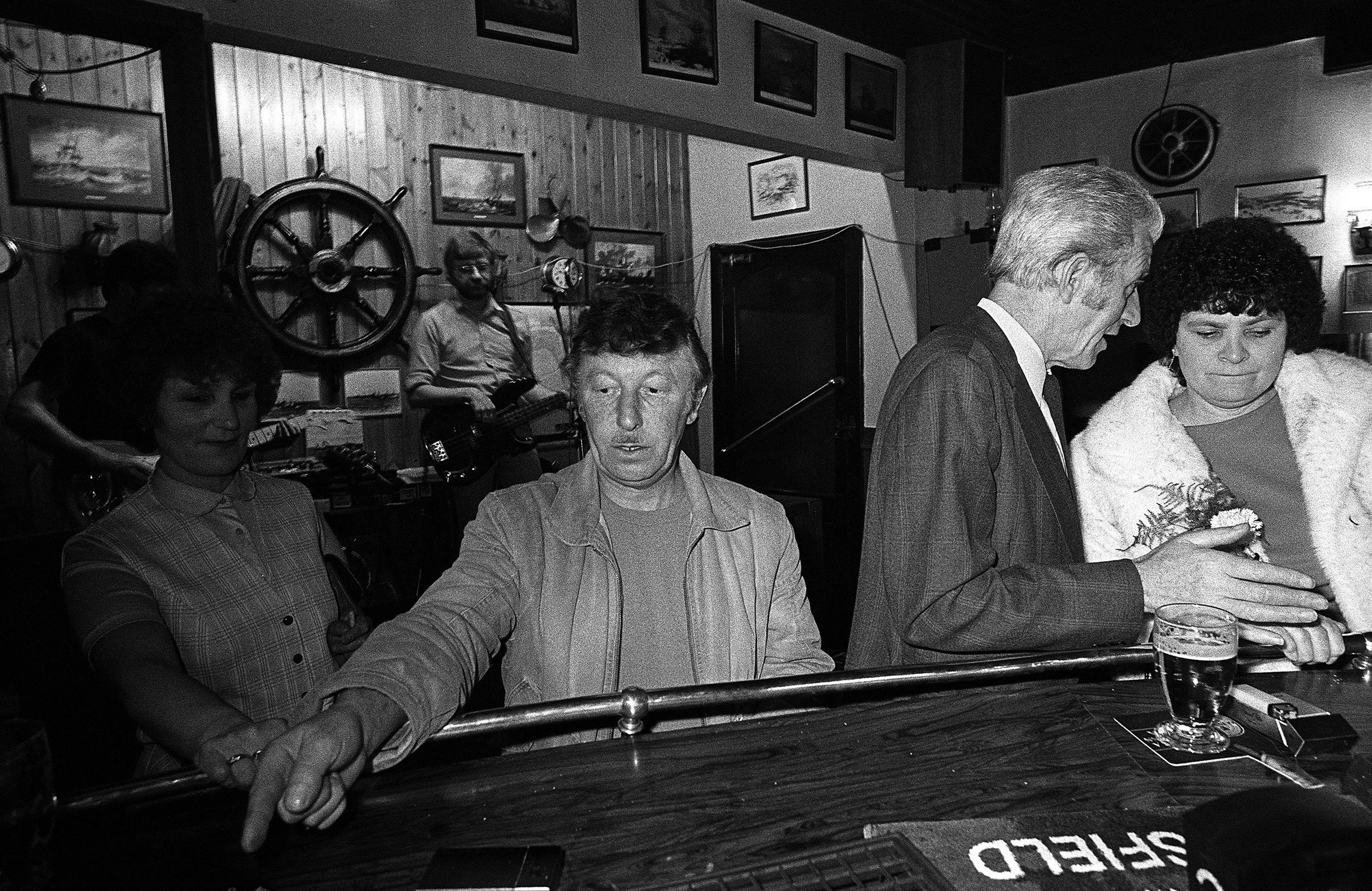
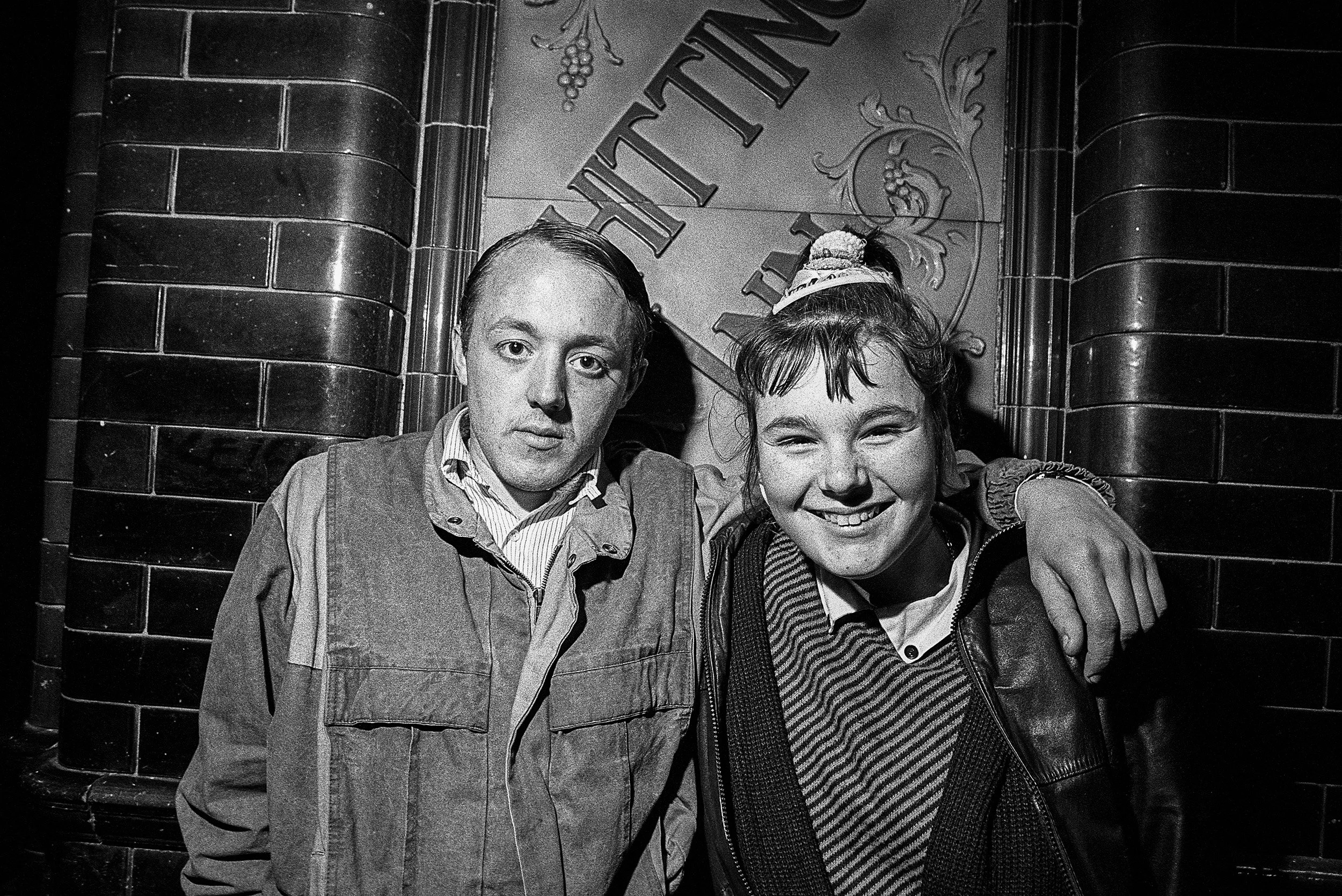
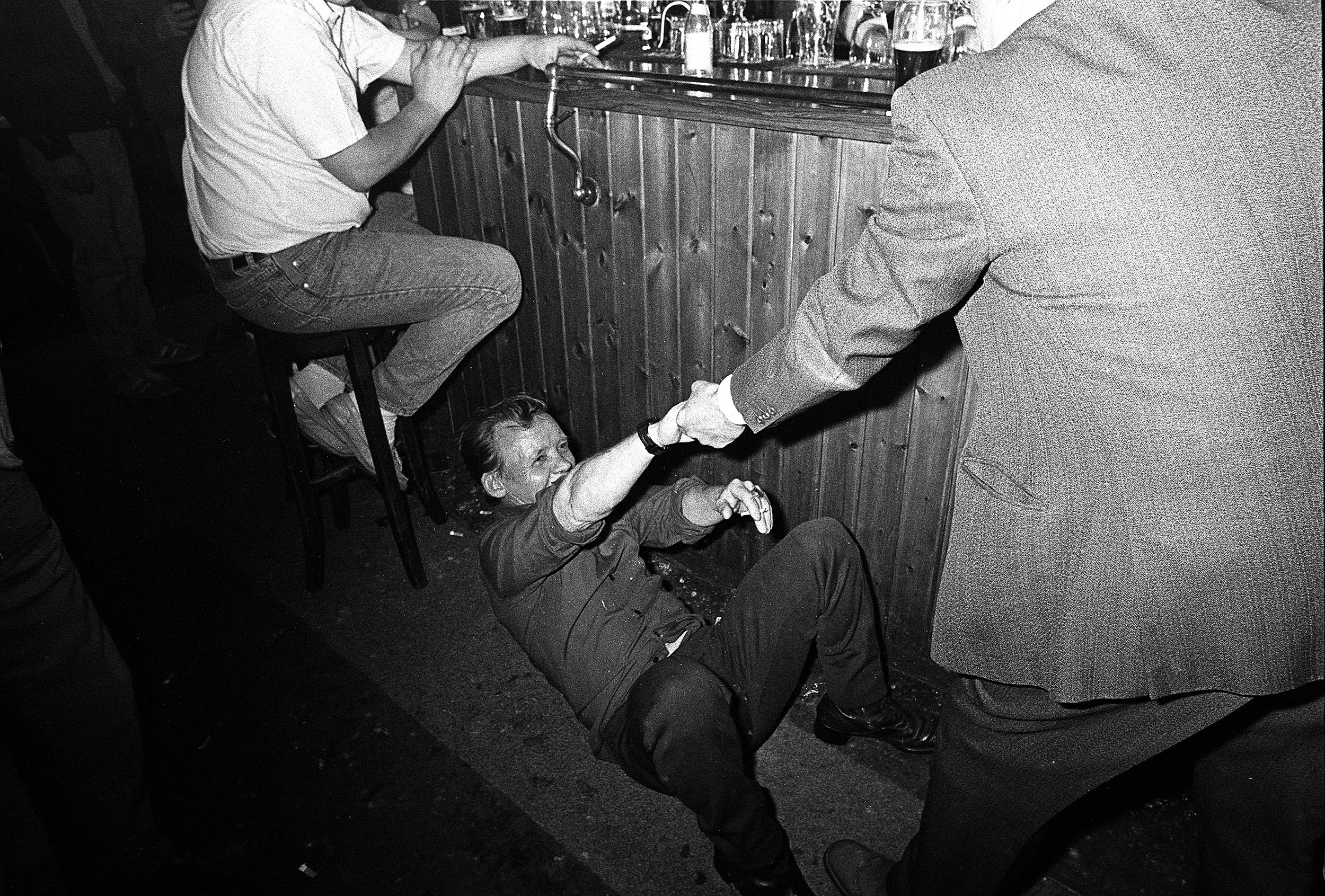
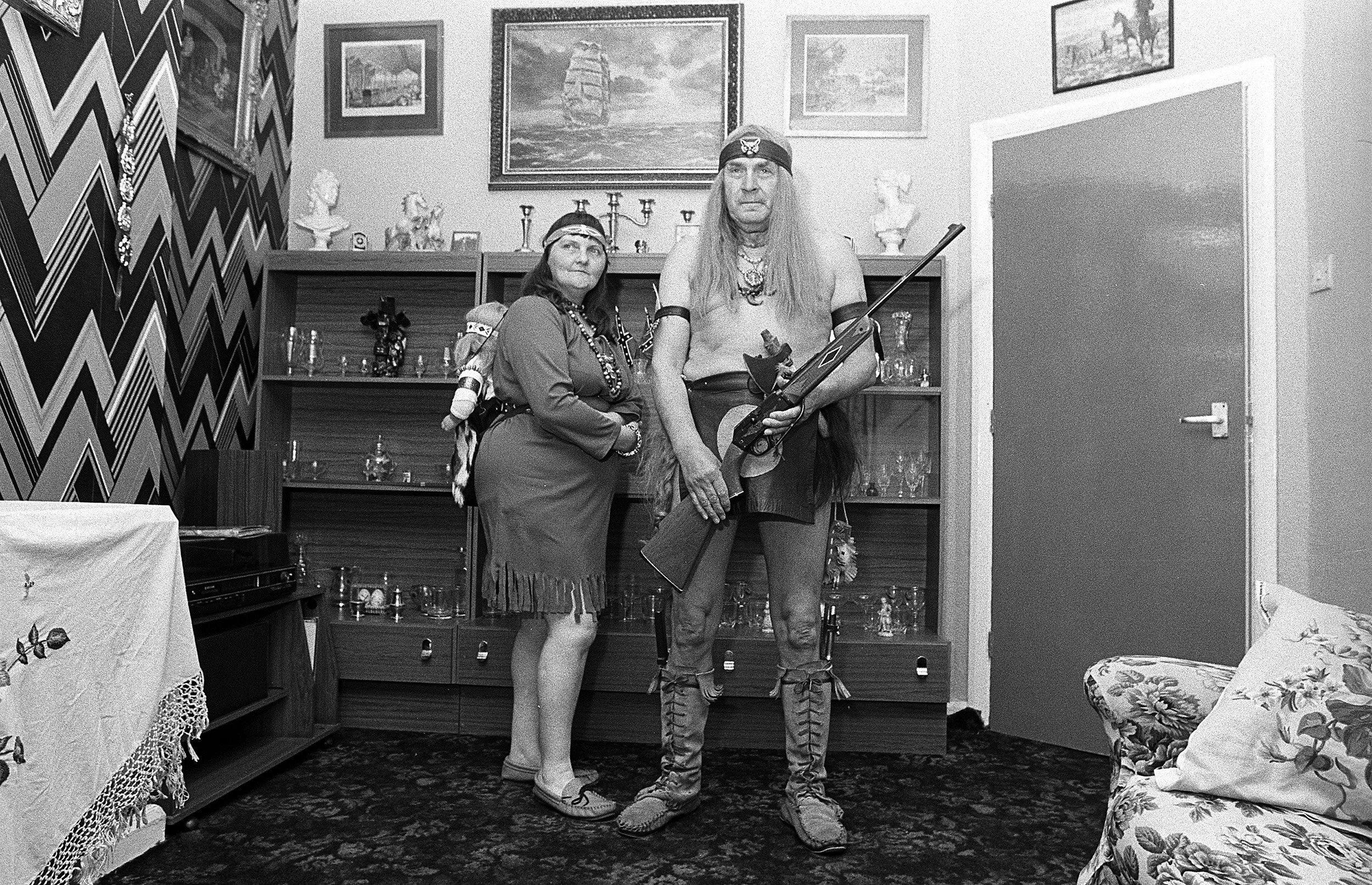
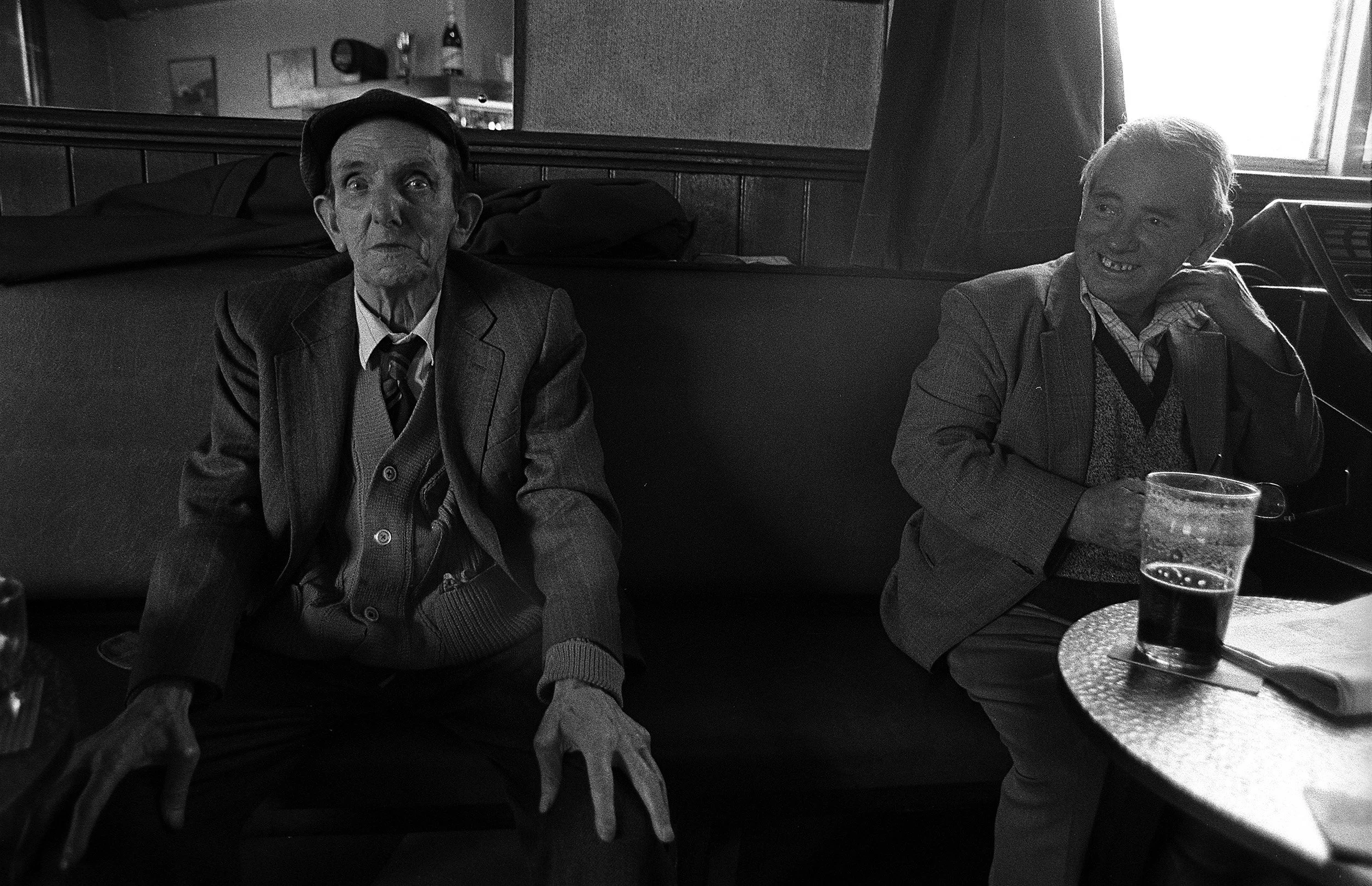
Having studied in Hull from 1980 to '83 I was conscious of those parallels, the Humber and the Mersey might be 120 miles apart, but in 1988 the decline was the same just in a different accent. Empty warehouses, derelict docks, a skyline of cranes that no longer moved. Yet, like Liverpool, Hull still had its communities who refused to be defeated, who found ways to survive amid the ruins. These were the people who carried the real legacy of those cities, not the planners or the politicians, but the ones who stayed.
Commissioned by Posterngate Gallery, Hull and exhibitied in the gallery in September 1988.